Introduction
Wound care administration is a crucial facet of medical care, particularly in the treatment of persistent injuries and complicated injuries. Whether it's a straightforward cut or a much more complicated ulcer, reliable wound monitoring can substantially affect recovery end results. Correct approaches not only speed up healing but also decrease the risk of infection and complications. As healthcare professionals, comprehending these approaches is extremely important. In this post, we dive deep into Wound Care Monitoring: Approaches for Successful Outcomes, encompassing numerous facets such as training for specialists, nursing education and learning, and advanced strategies for taking care of intricate wounds.
1. Understanding Wound Care Management
1.1 What is Wound Treatment Management?
Wound care monitoring describes the organized method to dealing with injuries with proper analysis, medical diagnosis, and therapy protocols. It includes whatever from cleansing and dressing wounds to tracking recovery progress.
1.2 Importance of Wound Care
Effective wound care is critical due to the fact that it aids prevent infections, advertises much faster recovery, and ultimately lowers healthcare expenses associated with prolonged treatments.
2. Types of Wounds
2.1 Intense Wounds
Acute wounds are those that recover quickly without difficulties. They typically result from surgical procedure or unintentional injuries.
2.2 Chronic Wounds
Chronic wounds continue gradually and are often associated with hidden conditions such as diabetes or vascular disease.
3. The Function of a Wound Care Specialist
3.1 What Does a Wound Treatment Expert Do?
A wound care specialist focuses on identifying and dealing with various sorts of injuries using specialized understanding and techniques.
3.2 Training Required for Specialists
To become a wound treatment expert, one must undergo extensive training that includes both theoretical understanding and sensible skills.
4. Wound Treatment Expert Training
4.1 Introduction of Training Programs
Training programs for injury treatment experts differ commonly yet typically consist of coursework on anatomy, physiology, and the most recent injury care technologies.
4.2 Accreditation Options Available
Various companies offer certifications in wound care management that improve credibility and competence in the field.
5. Wound Treatment Training for Nurses
5.1 Relevance of Specialized Training
Nurses play an essential role in person treatment; therefore, specialized training in wound management is essential for providing high quality healthcare services.
5.2 Curriculum Components in Nursing Programs
https://finnajcl382.trexgame.net/the-duty-of-the-wound-care-specialist-education-and-learning-and-training-pathsMost nursing programs currently incorporate components concentrated on basic wound care training to equip registered nurses with basic skills called for in medical settings.
6. Wound Care Educating Courses
6.1 Online vs On-site Courses
With the rise of digital learning platforms, several professionals are choosing on the internet wound care training courses that use versatility without endangering on quality.
6.2 Course Content Overview
Typical course web content includes composition appropriate to wound recovery, best practices in dressing application, infection control steps, among others.
7. Basic Wound Care Training Essentials
7.1 Trick Skills Acquired Via Standard Training
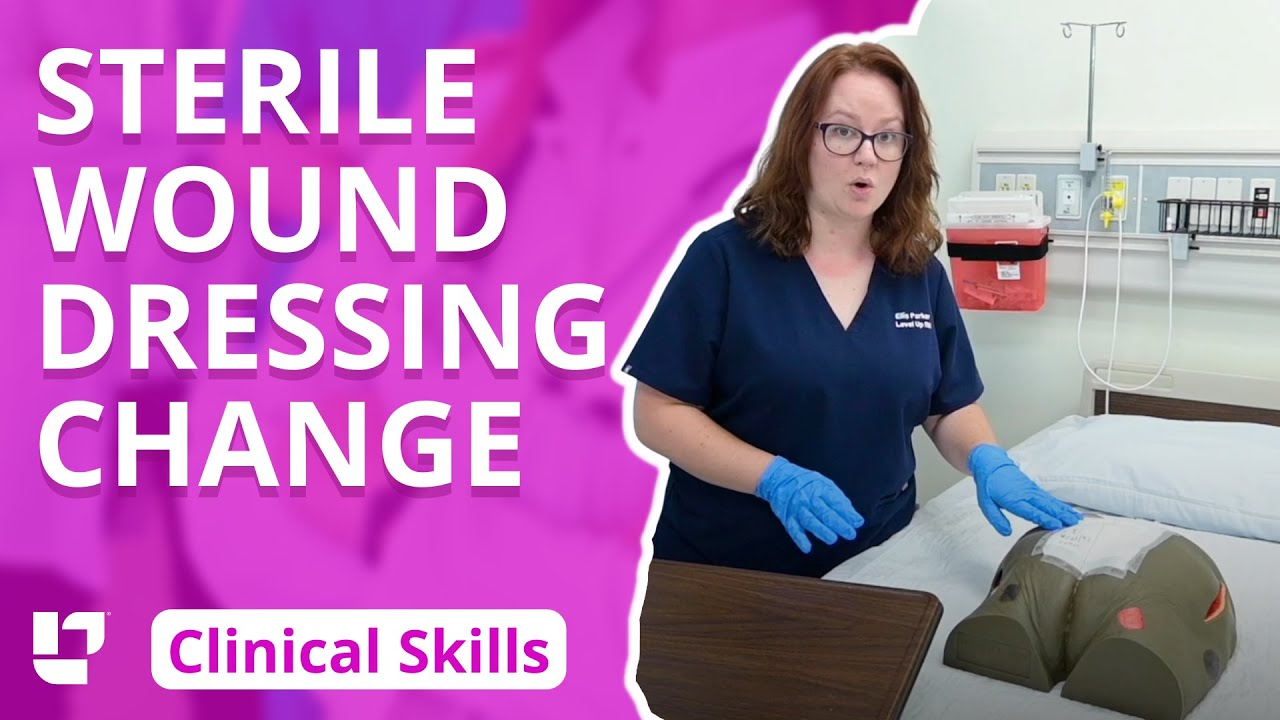
Basic wound care training gears up people with skills like cleansing techniques, applying dressings properly, and acknowledging indicators of infection.
7.2 Value of Hands-on Practice
Theory alone isn't enough; hands-on technique is essential for establishing confidence and proficiency in handling injuries effectively.
8. Advanced Methods in Intricate Wound Care
8.1 Recognizing Complex Wounds
Complex injuries call for specialized interventions due to their nature-- usually including deeper cells or underlying health and wellness issues that hinder recovery processes.
8.2 Treatment Modalities
Advanced techniques include adverse pressure injury treatment (NPWT), bioengineered cells, and various other ingenious approaches tailored to advertise healing in complex cases.

9. Chronic Wound Care Management Strategies
9.1 Identifying Underlying Causes
Identifying the origin of chronic wounds-- be it inadequate flow or diabetic issues-- is crucial for efficient therapy plans.
9.2 Multidisciplinary Approach
An effective chronic wound monitoring approach frequently involves cooperation amongst different healthcare providers consisting of dietitians, podiatrists, and physical therapists.
10. The NDIS (National Impairment Insurance Scheme) & Wound Care
10.1 NDIS Support Services
For individuals under the NDIS framework calling for ongoing injury monitoring support solutions are crucial to ensure they receive proper care tailored to their needs.
10.2 Financing Options Available
Understanding financing alternatives available via NDIS permits individuals to accessibility essential treatments without financial burden.
Frequently Asked Inquiries (FAQs)
Q1: What credentials do I require to come to be a wound care nurse?
A: Generally requires a nursing degree along with specialized qualification in wound management gotten via recognized programs or courses focused on nursing injury treatment training.
Q2: The length of time does it require to complete a wound care training course?

Q3: Can I manage my own chronic wounds at home?
Q4: Why is infection control vital in wound management?
A: Infection control protects against problems that can develop from unattended infections which may postpone healing or cause much more serious health issues requiring considerable medical intervention.
Q5: Are there details items recommended for chronic wound management?
A: Yes! The option of items relies on the type of chronic wound; usual options include hydrocolloid dressings, alginates, foam dressings etc, customized based on individual requirements evaluated by health care providers.
Q6: Is there recurring education and learning offered after initial certification?
A: Absolutely! Numerous organizations encourage continual professional development with workshops, workshops, on the internet sources guaranteeing professionals remain up-to-date with breakthroughs in efficient practices connected to persistent injury care management.
Conclusion
In final thought, effective Wound Care Administration: Techniques for Effective Outcomes rely heavily on skilled experts who recognize both fundamental concepts and advanced methods important for advertising optimum recovery problems throughout diverse individual populaces-- from acute injuries requiring instant interest to intricate persistent injuries needing recurring evaluation and treatment approaches tailored in the direction of all natural health purposes. By prioritizing education via extensive training programs developed especially around advancing standards within this dynamic area-- healthcare professionals can enhance their ability supplying phenomenal solution while guaranteeing positive individual experiences yielding effective outcomes over time.